
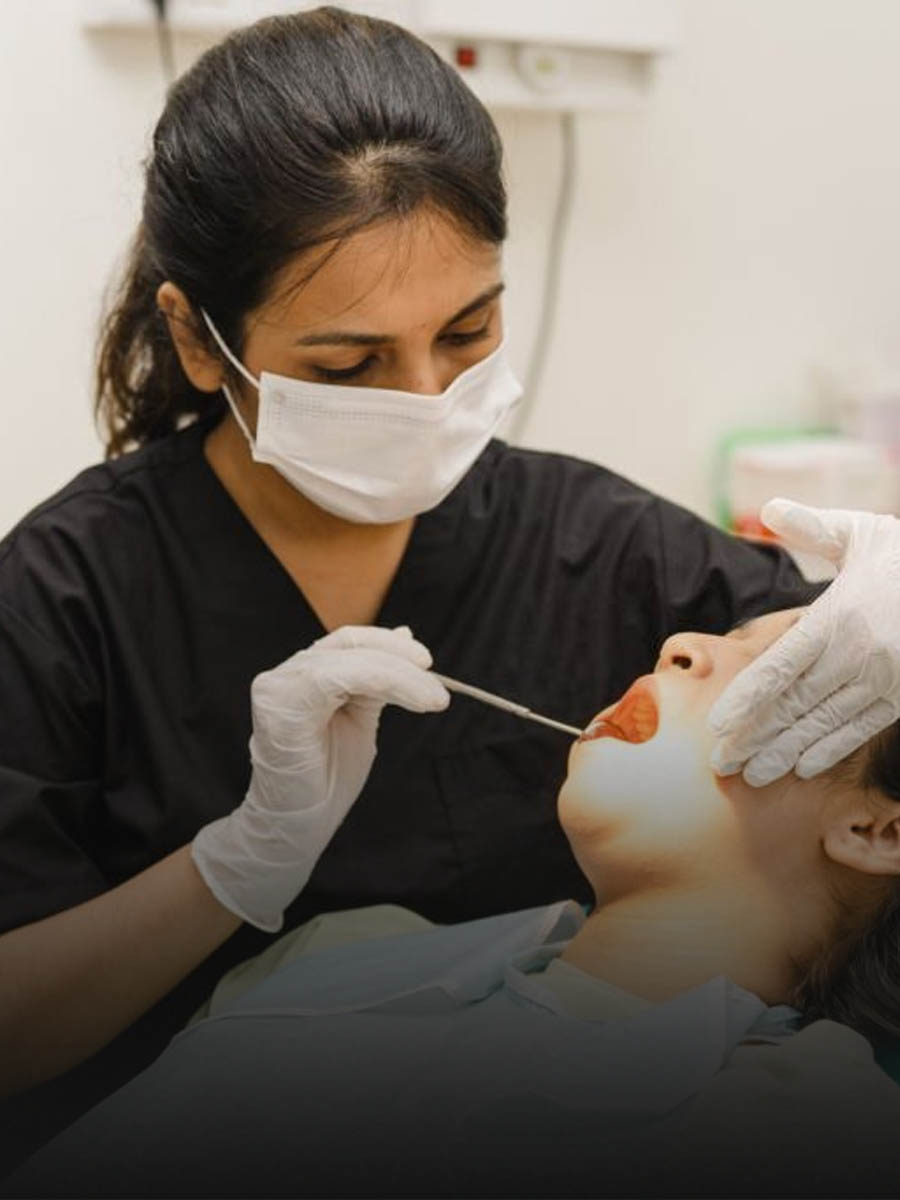
Maintaining a healthy smile requires more than brushing and flossing every day. While a good oral hygiene routine is essential, regular visits to a dentist play an equally important role in protecting your teeth and gums. Tooth decay and gum disease are among the most common dental problems affecting people of all ages. If left untreated, these conditions can lead to pain, tooth loss, and costly dental procedures. A dentist has the knowledge, tools, and experience to detect problems early, provide preventive care, and help patients maintain excellent oral health for years to come. Understanding how a dentist helps prevent these issues can encourage you to prioritize regular dental checkups and protect your smile.
Understanding Tooth Decay and Gum Disease
Tooth decay occurs when bacteria in the mouth produce acids that gradually wear away the protective enamel of the teeth. This process often begins with plaque, a sticky layer of bacteria that forms on the teeth after eating and drinking. If plaque is not removed through proper brushing and flossing, it hardens into tartar and increases the risk of cavities. Over time, untreated tooth decay can reach the inner layers of the tooth, causing severe pain and infection.
Gum disease begins with inflammation of the gums, commonly known as gingivitis. At this stage, the gums may become red, swollen, and bleed during brushing or flossing. Without treatment, gingivitis can develop into periodontitis, a more serious condition that damages the tissues and bone supporting the teeth. This can eventually result in loose teeth or tooth loss. A dentist can identify these conditions early and provide treatment before they become more serious.
The Importance of Regular Dental Checkups
Routine Dental Office Stuart FL visits are one of the most effective ways to prevent oral health problems. During a dental examination, a dentist carefully checks your teeth, gums, tongue, and other oral tissues for signs of decay, infection, or disease. Many dental issues begin without noticeable symptoms, making professional examinations essential for early detection.
Regular checkups also allow the dentist to monitor changes in your oral health over time. Small cavities or mild gum inflammation can often be treated quickly before they require more extensive procedures. Preventive dental appointments not only help preserve your natural teeth but also save time, discomfort, and money in the future.
Professional Teeth Cleaning Removes Harmful Plaque
Even individuals who brush and floss consistently may not be able to remove every trace of plaque and tartar from their teeth. Professional dental cleaning uses specialized instruments to remove hardened deposits that cannot be eliminated with a toothbrush alone. This process significantly reduces the bacteria responsible for tooth decay and gum disease.
After removing plaque and tartar, the dental hygienist polishes the teeth to create a smooth surface that makes it more difficult for bacteria to accumulate. Regular professional cleanings also help reduce bad breath, remove surface stains, and contribute to a healthier and brighter smile. Scheduling cleanings every six months or as recommended by your dentist is an important part of preventive dental care.
Early Detection Prevents Serious Problems
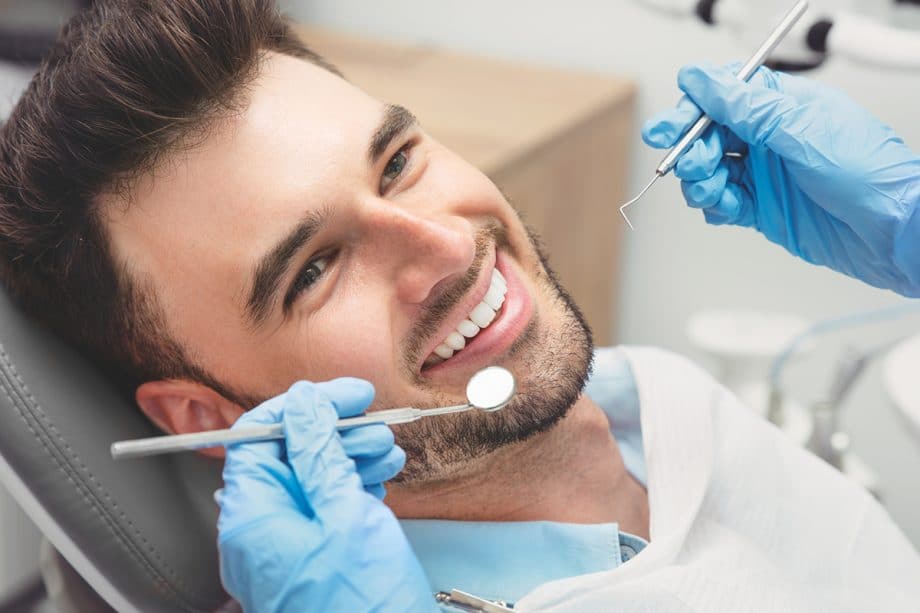
One of the greatest advantages of visiting a dentist regularly is the ability to identify dental issues before they become severe. Small cavities can often be treated with simple fillings, preventing the need for root canal treatment or tooth extraction. Similarly, early gum disease can often be reversed with improved oral hygiene and professional cleaning.
Dentists may also use digital X-rays to detect hidden problems that cannot be seen during a visual examination. These images help identify cavities between teeth, bone loss, impacted teeth, and infections beneath the gums. Early diagnosis allows treatment to begin before complications develop, helping patients maintain healthier teeth and gums.
Personalized Oral Hygiene Advice
Every person’s mouth is different, and a dentist can provide personalized recommendations based on your specific dental needs. Factors such as age, diet, medical conditions, medications, and lifestyle habits all influence oral health. A dentist can recommend the most suitable toothbrush, toothpaste, flossing techniques, and mouthwash to improve your daily routine.
Patients with braces, dental implants, crowns, or dentures often require specialized cleaning methods. Children, older adults, and individuals with conditions such as diabetes may also need additional preventive care. Personalized guidance ensures that each patient receives the most effective approach to maintaining excellent oral hygiene.
Preventive Treatments That Protect Teeth
Dentists offer several preventive treatments that help reduce the risk of tooth decay. Fluoride treatments strengthen tooth enamel, making it more resistant to acid attacks caused by bacteria. This simple procedure is particularly beneficial for children, teenagers, and adults who have an increased risk of cavities.
Dental sealants provide another layer of protection by covering the deep grooves on the chewing surfaces of the back teeth. These grooves often trap food particles and bacteria, making them difficult to clean thoroughly. Sealants create a protective barrier that significantly lowers the risk of cavities, especially in children and teenagers.
Healthy Habits That Support Oral Health
A dentist not only treats dental problems but also educates patients about healthy lifestyle choices that protect their teeth and gums. Limiting sugary snacks and drinks reduces the amount of acid produced by harmful bacteria. Eating a balanced diet rich in fruits, vegetables, dairy products, and lean proteins supports stronger teeth and healthier gums.
Dentists also encourage patients to avoid smoking and tobacco products, which greatly increase the risk of gum disease, tooth loss, and oral cancer. Drinking plenty of water, brushing twice daily with fluoride toothpaste, and flossing every day are simple habits that contribute to long term oral health.
Building a Lifetime of Healthy Smiles
Preventing tooth decay and gum disease requires a combination of good daily habits and professional dental care. A dentist serves as a trusted partner in maintaining your oral health by providing regular examinations, professional cleanings, preventive treatments, and personalized guidance. Early detection and timely treatment help protect your teeth, reduce the need for complex dental procedures, and improve your overall well being.
Taking care of your oral health today can have lasting benefits for your smile and your confidence. By visiting your dentist regularly and following recommended oral hygiene practices, you can greatly reduce the risk of tooth decay and gum disease while enjoying strong, healthy teeth for many years to come. A healthy smile is an investment in your overall health, and your dentist plays a vital role in helping you achieve and maintain it.