
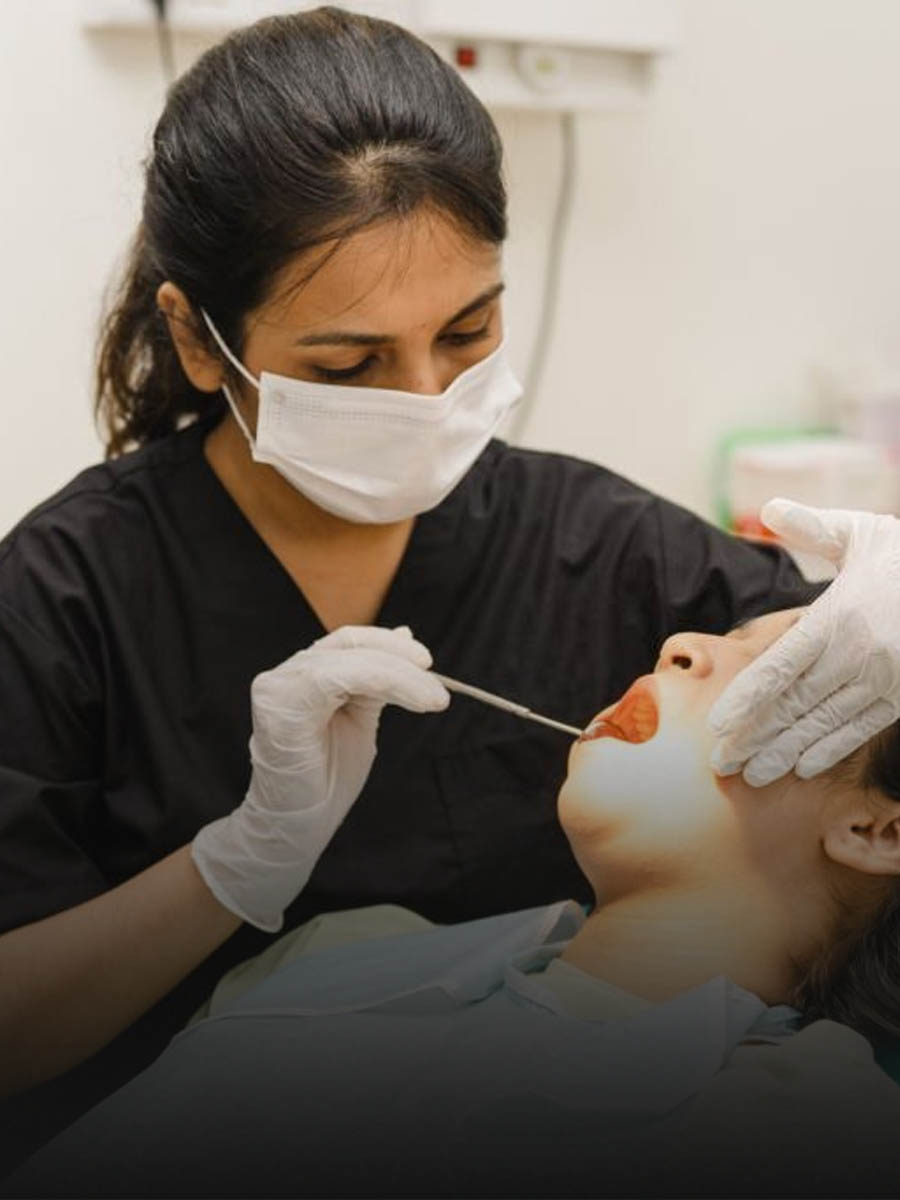
If you’re tossing and turning at night, struggling to get quality sleep, the solution might be closer than you think. While most people associate dentists with cavity fillings and teeth cleanings, your dental health professional can actually play a crucial role in improving your sleep quality. From diagnosing sleep disorders to providing custom treatments, dentists are increasingly becoming key players in the fight against sleepless nights.
The Connection Between Dental Health and Sleep Quality
The relationship between your oral health and sleep might not be immediately obvious, but it’s more significant than many realize. Your mouth, jaw, and airway are all interconnected, and problems in these areas can directly impact how well you sleep. Issues like teeth grinding, jaw misalignment, and airway obstruction can disrupt your sleep cycle, leaving you exhausted despite spending eight hours in bed.
Dentists are uniquely positioned to identify these problems during routine examinations. They can spot signs of bruxism (teeth grinding), temporomandibular joint (TMJ) disorders, and even indicators of sleep apnea that other healthcare providers might miss. By addressing these dental-related sleep issues, your dentist can help you achieve the restful sleep your body needs to function at its best.
Sleep Apnea: A Serious Condition Your Dentist Can Detect
Sleep apnea is one of the most common yet underdiagnosed sleep disorders affecting millions of Americans. This condition causes breathing to repeatedly stop and start during sleep, leading to fragmented rest and serious health complications if left untreated. Many people with sleep apnea don’t even realize they have it, attributing their daytime fatigue to stress or busy schedules.
During dental checkups, dentists can identify warning signs of sleep apnea, including worn tooth enamel from grinding, a scalloped tongue, redness in the throat, and a small or recessed jaw. If your dentist suspects sleep apnea, they can refer you for a sleep study and work with sleep specialists to develop an effective treatment plan.
For many patients with mild to moderate sleep apnea, dentists can provide custom oral appliances that keep the airway open during sleep. These mandibular advancement devices gently reposition the lower jaw forward, preventing the airway from collapsing. They’re comfortable, portable, and often more convenient than traditional CPAP machines, making them an excellent alternative for patients who struggle with other treatment methods.
Custom Night Guards for Bruxism and TMJ Relief
Do you wake up with jaw pain, headaches, or sensitive teeth? You might be grinding or clenching your teeth at night without realizing it. This condition, known as bruxism, affects your sleep quality and can cause significant dental damage over time. The constant grinding creates noise and tension that prevents you from reaching deep, restorative sleep stages.
Your dentist can create a custom night guard specifically fitted to your mouth. Unlike generic store-bought options, these professionally made guards provide optimal protection and comfort. By cushioning your teeth and reducing jaw muscle tension, night guards help you sleep more peacefully while protecting your dental work from unnecessary wear and tear.
Similarly, if you suffer from TMJ disorders that cause jaw pain and discomfort, your dentist can recommend treatments ranging from night guards to physical therapy exercises. Addressing these jaw issues can significantly reduce nighttime pain and improve your overall sleep experience.
Improving Airway Health Through Dental Interventions
Beyond treating specific conditions, dentists can help optimize your airway for better breathing during sleep. Some dental professionals specialize in airway-focused dentistry, which examines how oral structures affect breathing patterns. They may recommend orthodontic treatments, palate expansion, or other interventions that can widen airways and improve oxygen flow during sleep.
For children especially, early intervention can make a tremendous difference. Dentists can identify developmental issues that might lead to sleep-disordered breathing later in life. Treatments like palatal expanders can create more space in the mouth and nasal passages, promoting healthier breathing patterns that support quality sleep throughout their lives.
Take the First Step Toward Better Sleep
If you’re struggling with sleep issues, don’t overlook the potential role your dentist can play in finding solutions. Schedule an appointment and mention your sleep concerns. Your dentist can conduct a thorough examination, discuss your symptoms, and determine whether dental factors might be contributing to your restless nights.
Remember, quality sleep is essential for your overall health, affecting everything from your immune system to your mental clarity and emotional wellbeing. By working with your dentist to address oral health issues that interfere with sleep, you’re investing in better health outcomes and a higher quality of life. The path to better sleep might just start in the dentist’s chair.
About The Author